

Business Transfer Stocktakers
Impartial stock counts and valuations when a business changes hands, carried out fairly for both buyer and seller.
Discover more →
Nationwide stocktaking — no obligation quotes
Our Services
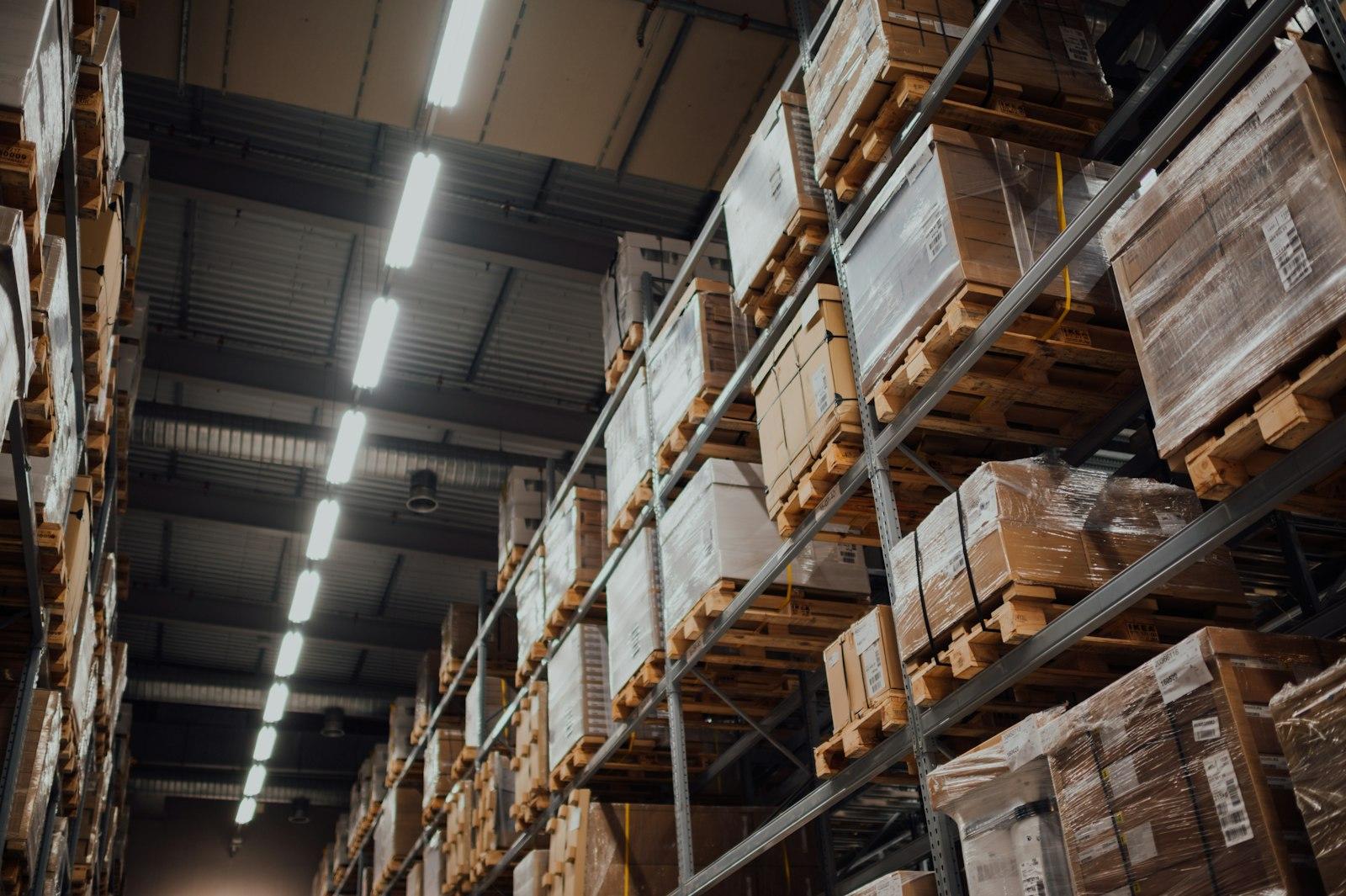
Independent pallet, bin and location counts, reconciled against your own stock records.
A warehouse stocktake is only useful if the figure it produces can be relied on: by your finance team at year end, by a buyer during due diligence, or by a client whose goods you hold. We provide independent stocktakers who count what is physically in the building, location by location, and report it in a form you can reconcile against your own system.
We work with distribution centres, third-party logistics (3PL) operators, wholesalers, cash-and-carry depots, manufacturers holding finished goods and e-commerce fulfilment sites. Counts are planned around your operation, whether that means a full shutdown over a weekend or zone-by-zone counting while the warehouse keeps running.
Most warehouses run their own cycle counts, and that is good practice. An independent count is different: it is carried out by people with no stake in the result, which is why auditors, lenders, buyers and stock owners often ask for one.
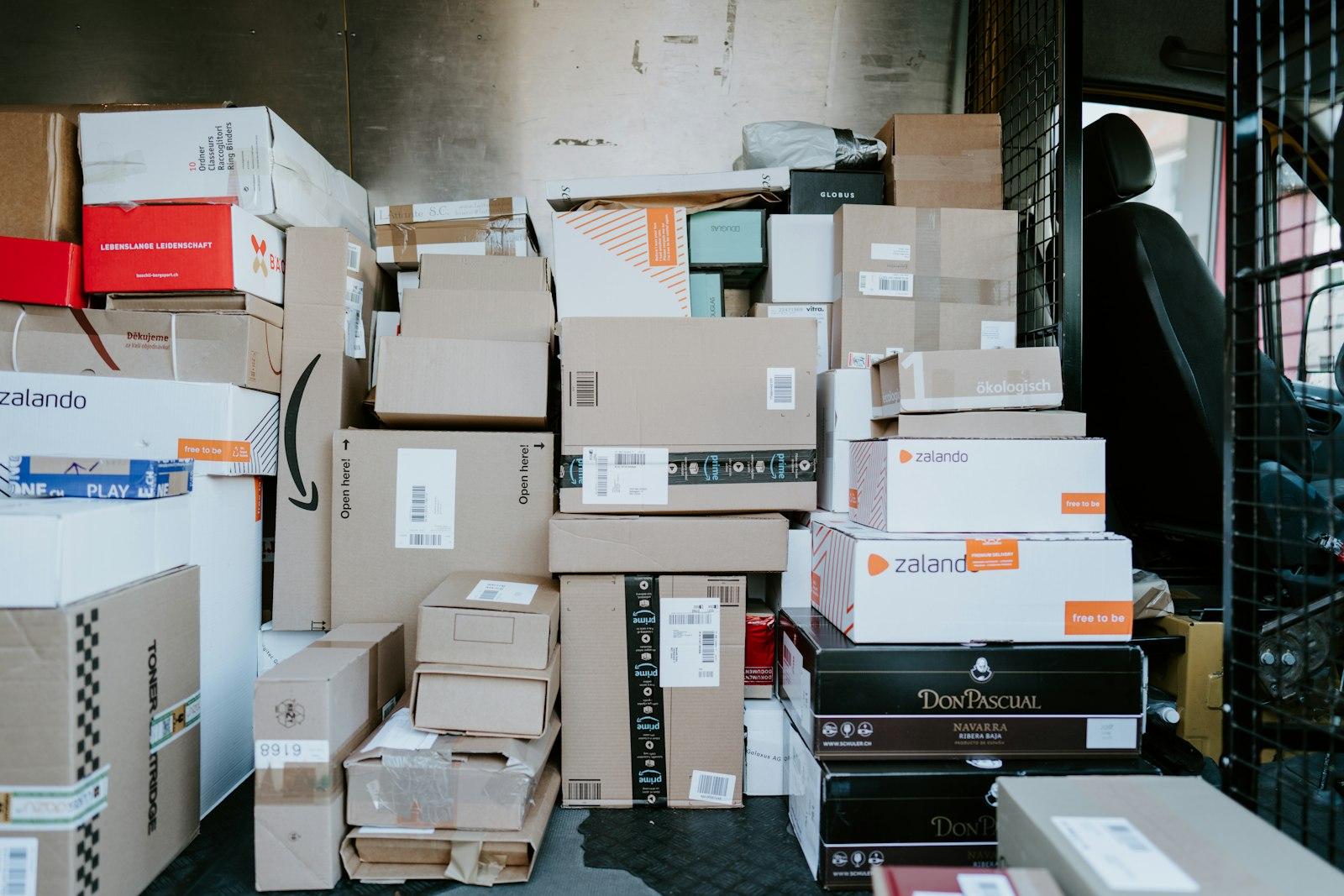
Warehouse stock rarely sits in one tidy format. We agree at the planning stage how each area will be treated, so nothing is counted twice and nothing is left out because nobody was sure whose job it was.
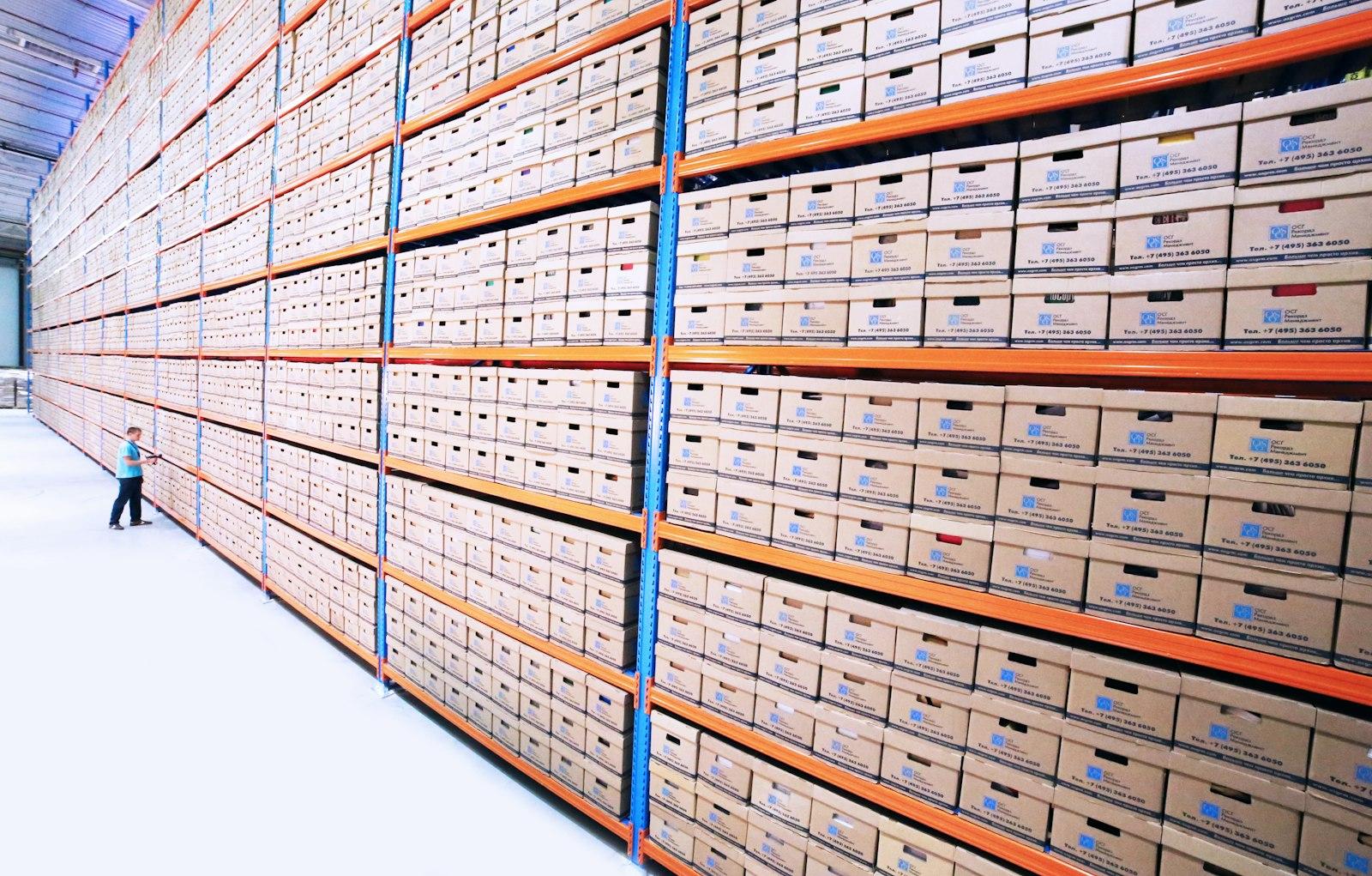
A pallet label tells you what should be on a pallet, not what is. Where it matters, we break pallets down to cases and cases down to units, rather than accepting the label at face value. For full, shrink-wrapped pallets that have not been opened since goods-in, we agree a sampling approach with you in advance.
Every quantity is recorded against its unit of measure. A large share of false variances in warehouse stocktakes come from cases being entered as units, or the other way round, so we confirm the units used in your system before the count starts.
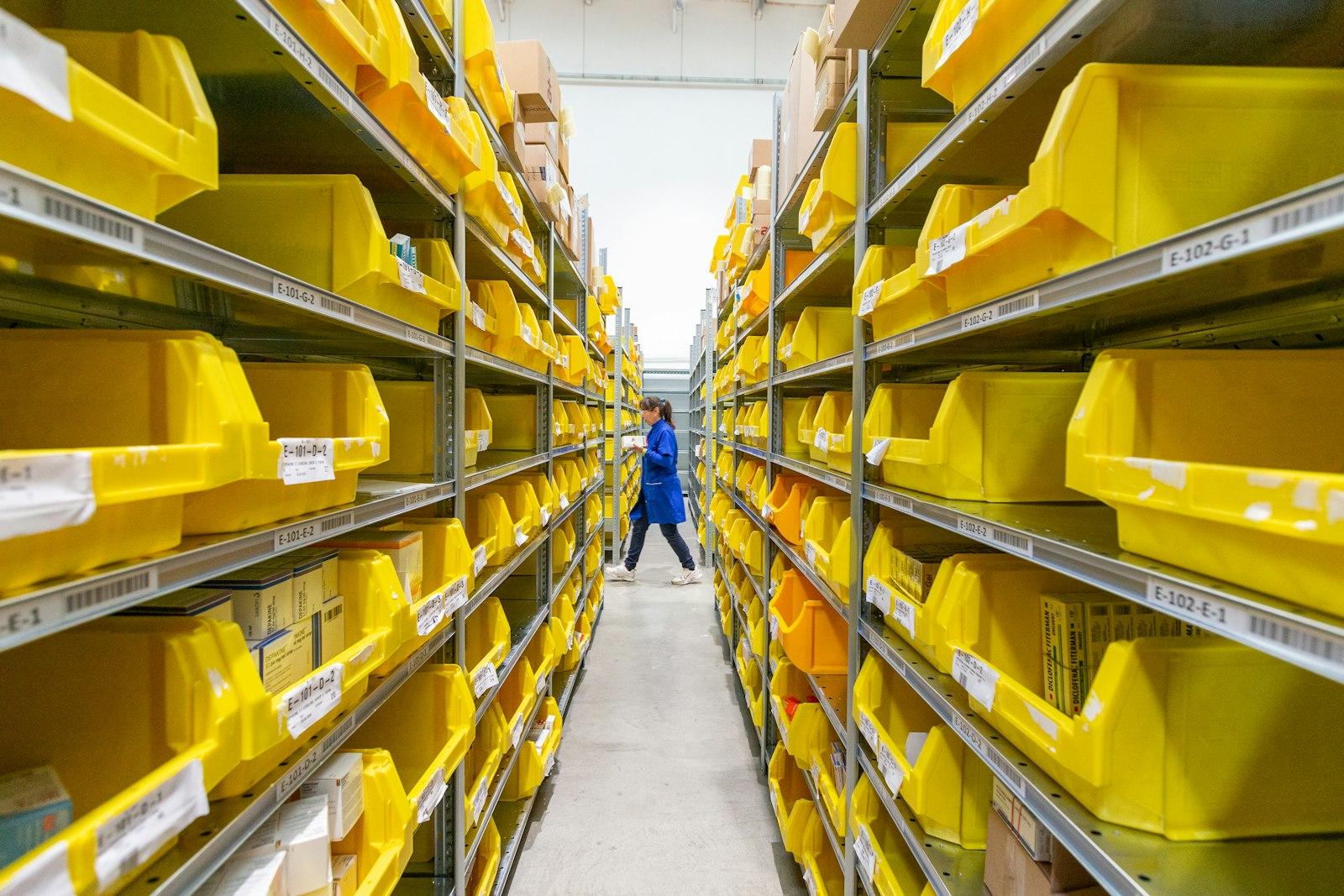
We count by location, not just by product. Recording where each item was found lets you see misplaced stock, empty locations your system thinks are full, and products sitting in more than one place.
The warehouse is divided into zones before counting starts, and each zone is marked as complete once it has been counted and checked. That is what makes it possible to count a large site over several shifts, or across more than one day, without losing track of what has been done.
The right method depends on how well your stock is labelled and how good your product data is. We will recommend one when we quote, and explain why.
Suits smaller sites, stock without reliable barcodes, and counts where you want the result written up against your own location list. Count sheets are prepared in advance and checked off zone by zone.
Suits larger sites with consistently barcoded stock. Your product file is loaded first, so each scan matches to a known line. Items that do not scan, or scan to the wrong product, are recorded and investigated rather than skipped.
In a blind count the counters do not see what your system says should be in each location. It takes slightly longer, but it removes the temptation to confirm a number rather than count it, which is why auditors often prefer it.
A system-led count works the other way: counters see the expected quantity and the variance is visible straight away. It is quicker to investigate, and useful when the purpose is to correct the system rather than to produce an independent figure. We will discuss with you which suits the reason for the count.
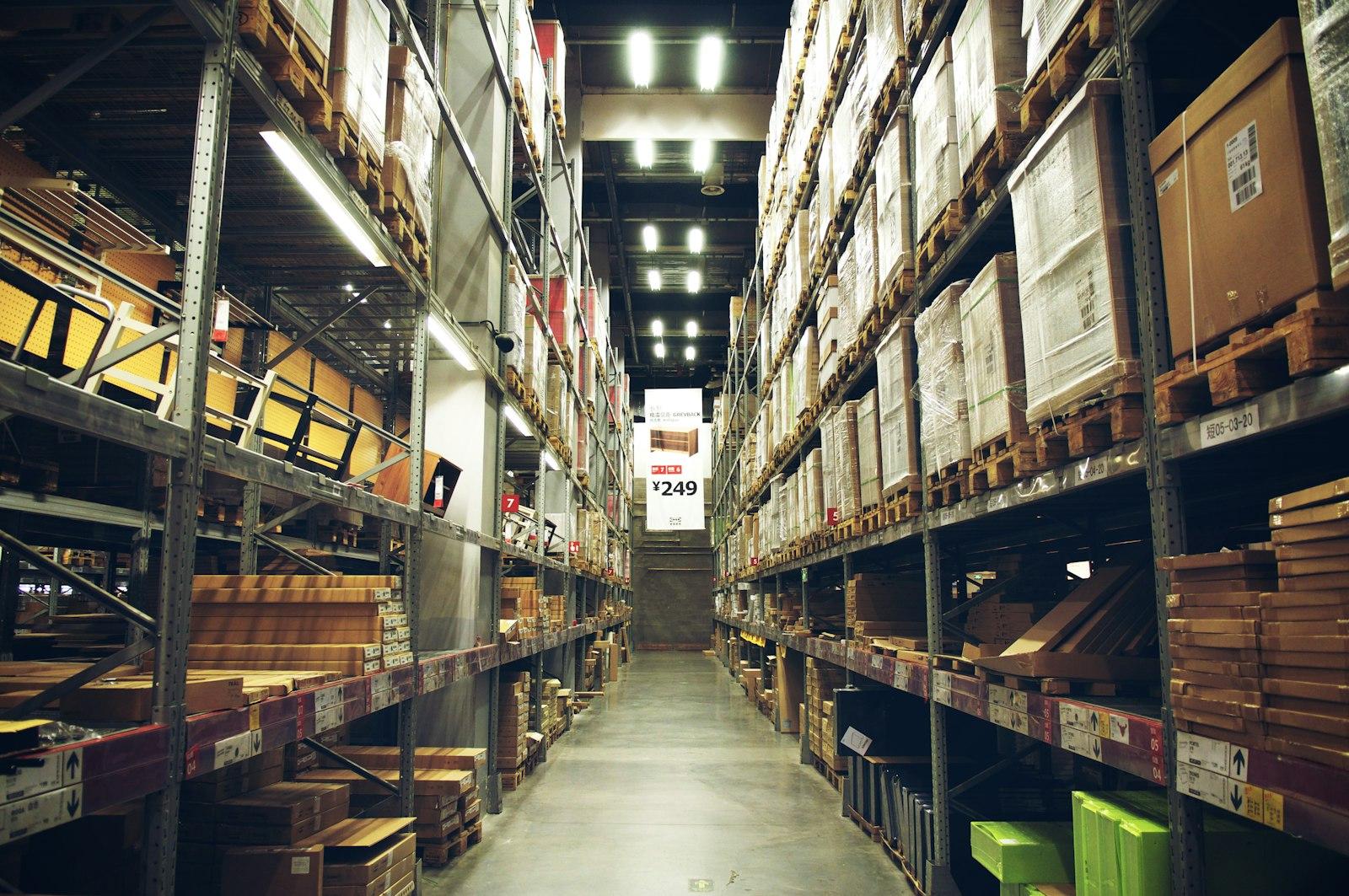
The single biggest cause of a disputed warehouse figure is stock moving while it is being counted. Before we start, we agree a cut-off with you and how each type of movement will be handled.
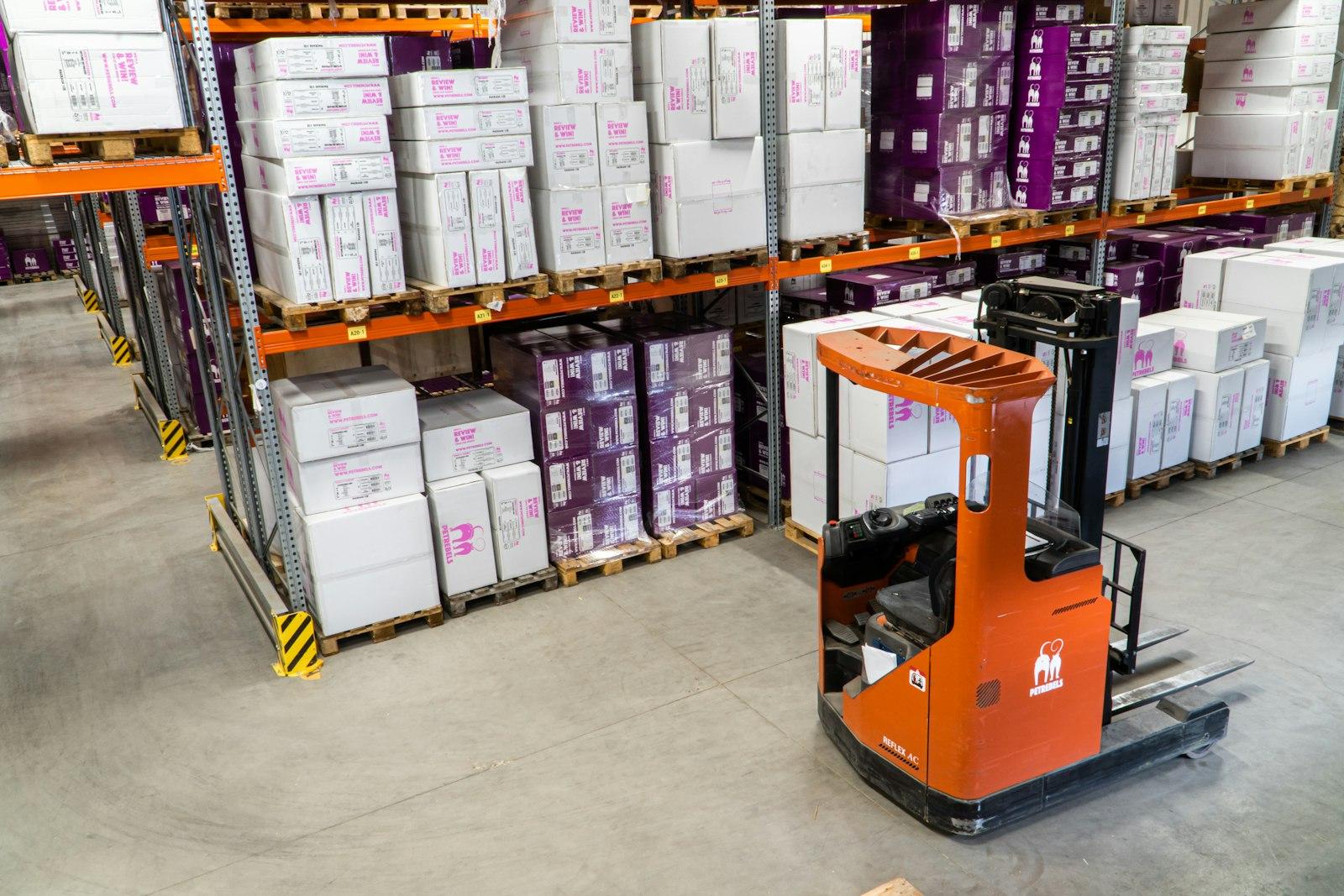
Warehouses are working environments with their own rules, and our team follows yours. Before attending we ask for your site induction requirements, PPE rules and any areas with restricted access.
Counting high-level racking usually needs a forklift, reach truck or access platform and a trained operator. We agree in advance who provides the equipment and the operator, so the count is not held up on the day waiting for either.
A little preparation makes the count quicker, cheaper and more accurate. We send a checklist when the date is booked; the main points are below.
If your goods are held by a third-party logistics provider, an independent count tells you whether the stock they report holding is actually there. We count your stock separately from the operator, then compare the result with both their records and yours.
We also count for 3PL operators themselves, either at the request of a client or when a contract is starting or ending and both sides need an agreed opening or closing figure.
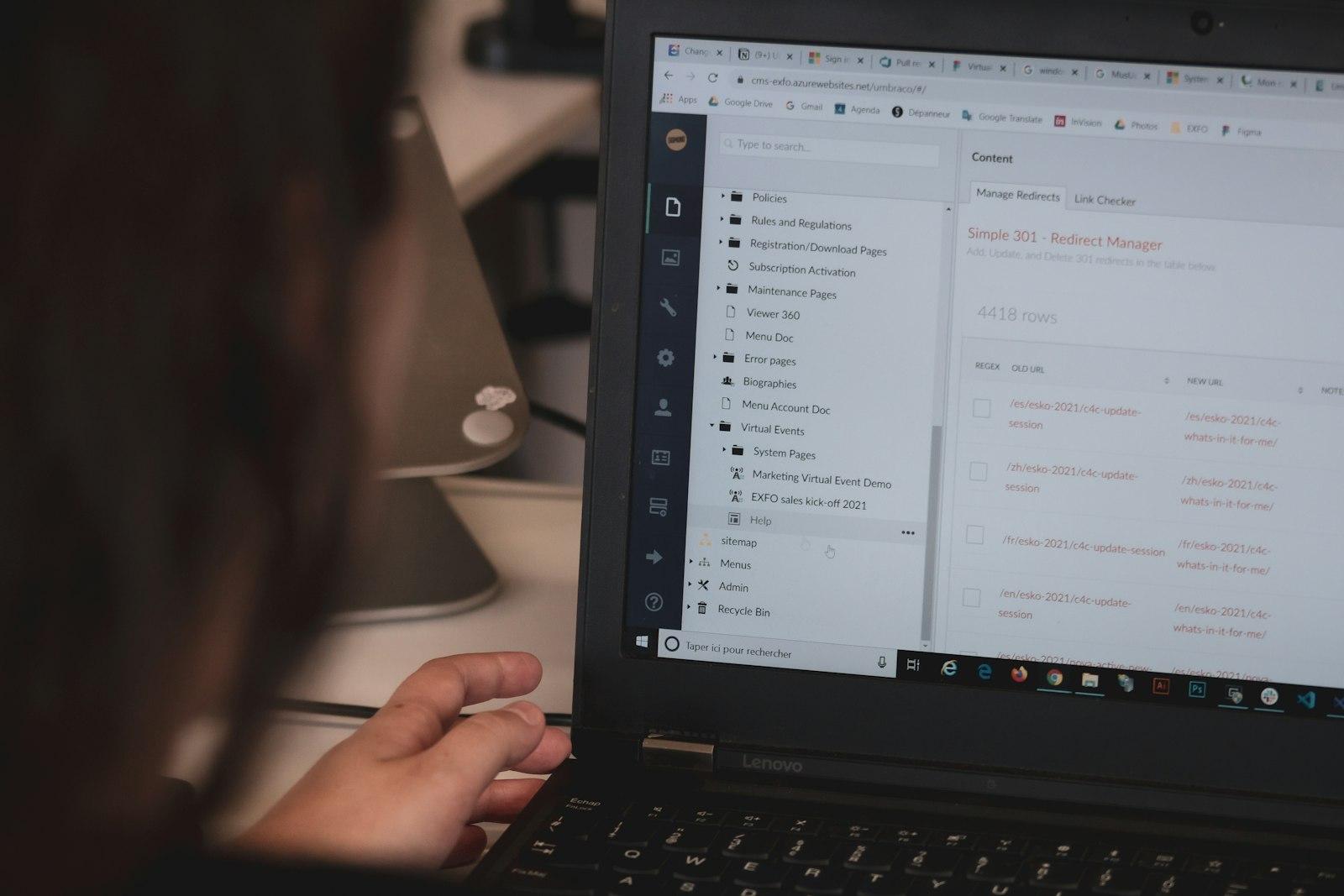
You receive the count in a format you can work with, normally a spreadsheet as well as a written summary. What is included is agreed when we quote; typically it covers:
There is no single formula for how long a warehouse stocktake takes. It depends on the number of locations and product lines, how much stock is in loose units rather than full pallets, access to high-level racking and whether the site keeps operating during the count.
We size the team to the job and the window you have available. Larger sites can be counted over consecutive days or several shifts, and multi-site operations can be counted on the same date or in an agreed sequence.
We agree the scope, the counting method, the cut-off, and who provides access equipment. You receive a written quote before anything is booked.
On arrival our team completes your site induction, then we brief everyone on zones, units of measure and how exceptions are recorded.
Each zone is counted and marked complete before the team moves on, so progress is always clear, even across shifts.
Significant variances, unlabelled items and stock that does not scan are rechecked or investigated before the count is closed.
A final walkthrough with your site contact confirms every area has been covered, and the count is signed off.
The count results, variances and any agreed valuation are issued in the format and timescale agreed at the quote.
We carry out warehouse stocktakers nationwide. It is among the most requested services in these areas:
It depends mainly on the number of locations and product lines, how much stock is held as loose units, and whether access equipment is needed. Tell us about the site and we will give you a written quote before anything is booked.
A small warehouse may be counted in a single shift; a large distribution centre can take several days. We give you an estimated duration and team size when we quote, based on what you tell us about the site.
Often, yes. We can count zone by zone while the rest of the site runs, provided movements in and out of each zone are controlled while it is being counted. For a year-end figure, a short shutdown usually gives the most reliable result.
For barcode counting, yes: a product file lets each scan match to a known line and allows us to report against your codes. For manual counts it is helpful but not essential. We will tell you which fields we need when we quote.
A count where the counters are not shown the quantity your system expects in each location. It produces a more independent figure, which is why auditors often prefer it.
Opened and part pallets are counted to the case or unit. For full, shrink-wrapped pallets we agree a sampling approach with you before the count, so the method is clear and documented.
This is agreed in advance. Usually the warehouse provides the equipment and a trained operator, as they are familiar with the site and its racking.
Yes. We count customer-owned stock for 3PL operators and for the owners of the stock. The count can be reported separately for each client if required.
Yes, subject to notice. For multi-site counts we plan team sizes per site and agree a common cut-off, so the figures are comparable.
They are recorded with their location and a description, then investigated with your team before the count is closed, rather than being left out of the figures.
A full count covers every item in one exercise, usually at year end. Cycle counting checks a rotating subset of locations continuously, so discrepancies surface earlier without halting operations. We can support either.
Impartial stock counts and valuations when a business changes hands, carried out fairly for both buyer and seller.
Discover more →
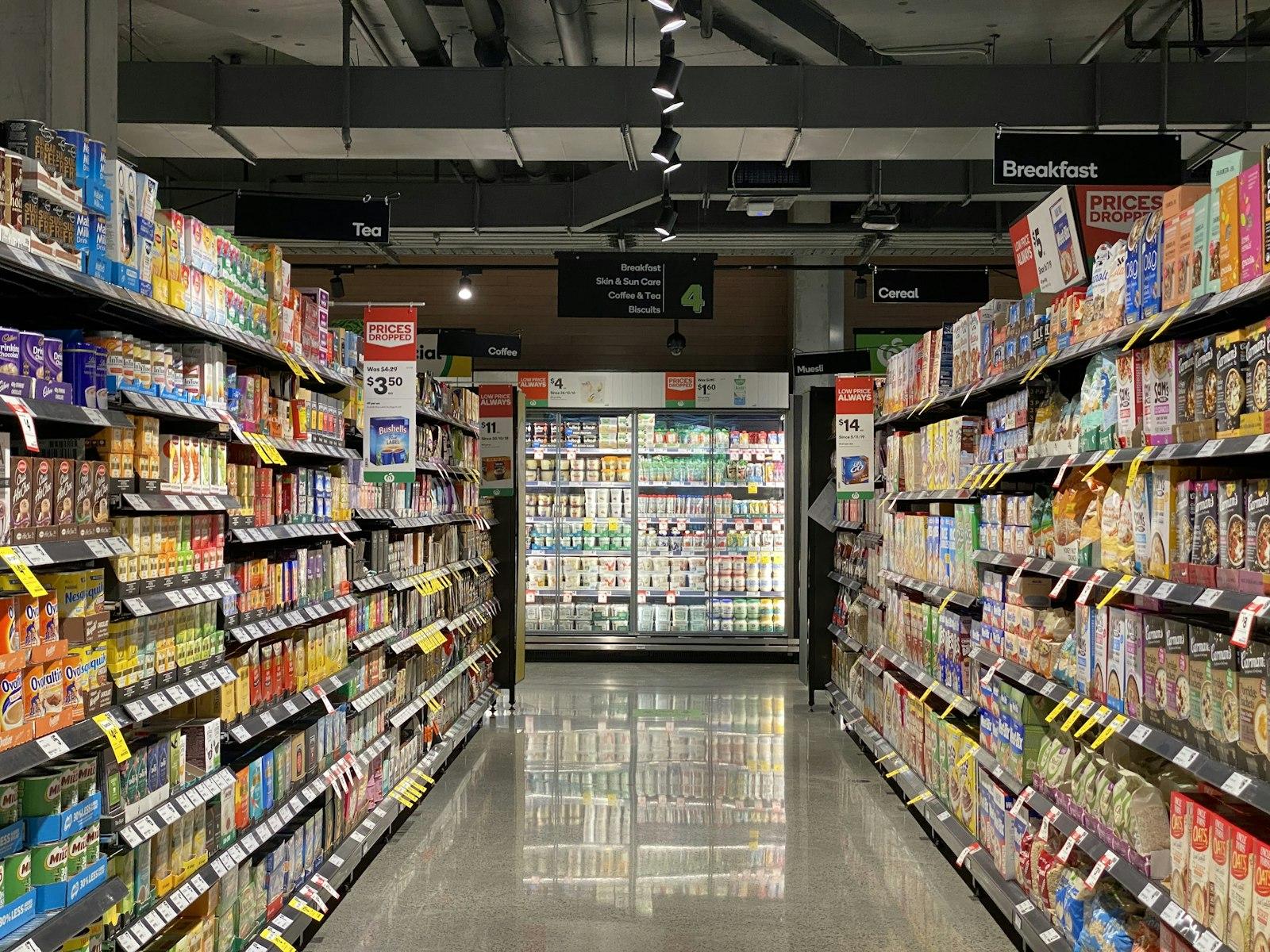
Independent shop floor and stockroom counts for independent and multi-site retailers, valued at retail or cost.
Discover more →

Independent year end stock counts and valuations, prepared for your accountant and annual accounts.
Discover more →
Call us for a no obligation quote, or send through the details of your premises and we will come back to you the same working day.