

Business Transfer Stocktakers
Impartial stock counts and valuations when a business changes hands, carried out fairly for both buyer and seller.
Discover more →
Nationwide stocktaking — no obligation quotes
Our Services
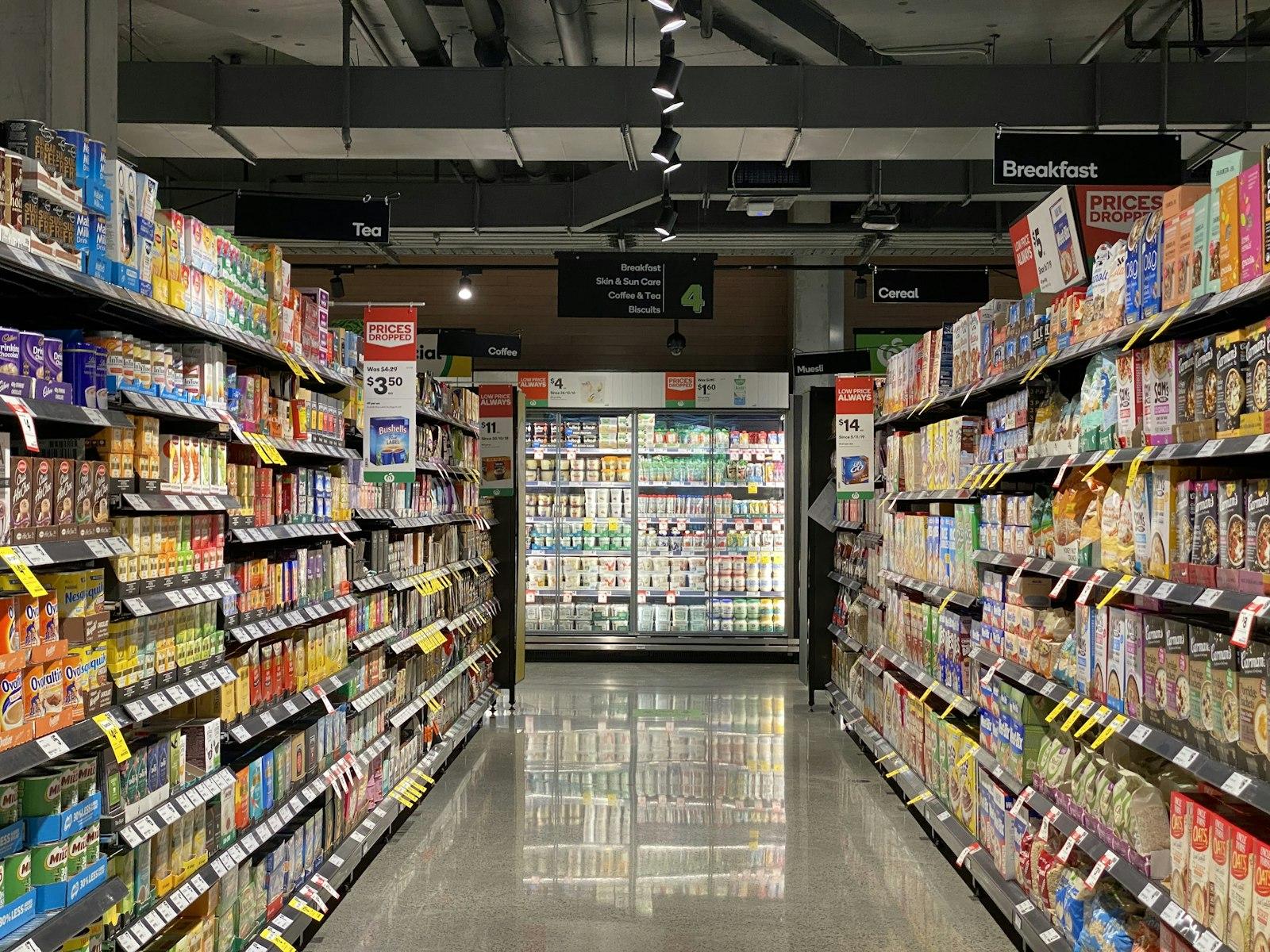
Independent shop floor and stockroom counts for independent and multi-site retailers, valued at retail or cost.
A shop’s stock figure feeds straight into its accounts, its margin and, when the business changes hands, its sale price. If that figure is guessed or rolled forward from a till system nobody has checked, every decision built on it is weaker. We provide independent stocktakers who count what is physically on your shelves, rails and stockroom racking, and report it in a form you and your accountant can use.
We count for independent shops and for retailers with several branches: clothing and footwear, hardware and DIY, gifts and homeware, garden centres, toy and hobby shops, book and stationery shops, and the retail side of pharmacies. Counts are normally arranged before opening, after closing or on a day the shop is shut, so trading carries on as normal.
Many shops count their own stock, which is sensible for day-to-day control. An independent count is useful when the figure has to stand up to someone else’s scrutiny, or when the people who would normally count it are the people whose stock control is in question.

General retail ranges from high-value single items to trays of small lines worth pennies each. Before the count we talk through what you sell and how it is displayed, so the method suits the shop rather than the other way round.
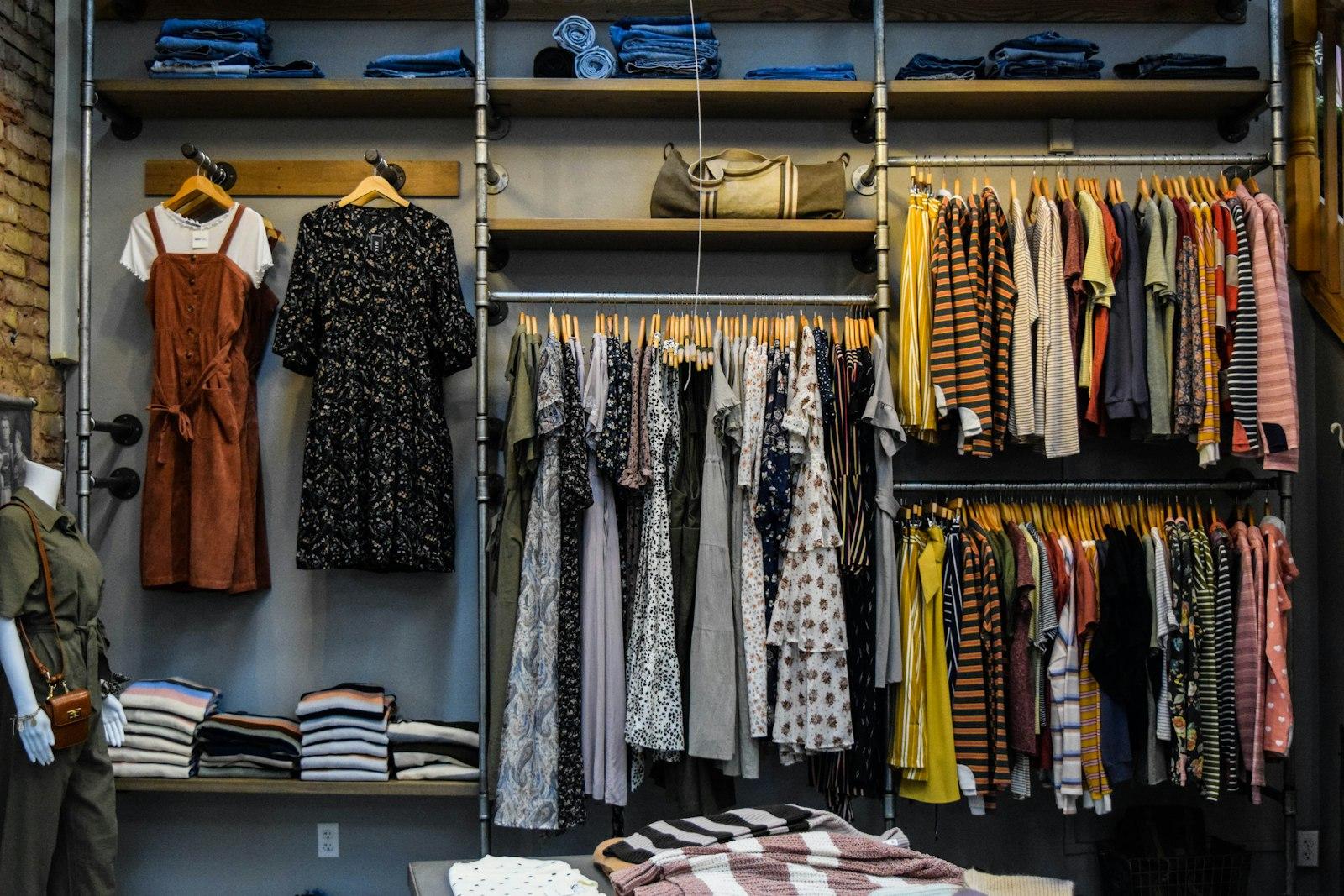
Stock in a shop is rarely in one place. A line might sit on a shelf, in a window display, on an end bay, in the stockroom and in a garage down the road. We agree a plan of every area before counting starts, and each area is marked off once it has been counted, so nothing is missed and nothing is counted twice.
There are two main ways to count a shop. Which suits you depends on how your stock is labelled, what records you already hold and what you need from the report. We will recommend one when we quote, and some shops use a mix of both.
Where your products carry reliable barcodes and you can export a product file from your till or stock system, we scan each item and record the quantity. The result is a line-by-line count that can be compared with the quantities your system expects, which makes variances much easier to trace.
Where stock is unlabelled, priced by hand or there is no usable product file, items are counted and recorded by department at their selling price. This gives reliable department totals for the accounts, but not a product-by-product breakdown. It often suits smaller independents and mixed or handmade stock.
For a barcode count we ask for a product file exported from your system in advance. It normally includes barcodes, descriptions, departments and selling prices, and ideally cost prices and expected quantities. Sending it a few days before the count gives time to check it loads correctly and to sort out any gaps.
Some items will always fail to match: a supplier’s new barcode, a missing label, or a line that was never set up on the system. These are recorded with a description, quantity and price rather than being left out, and listed separately so you can resolve them afterwards.
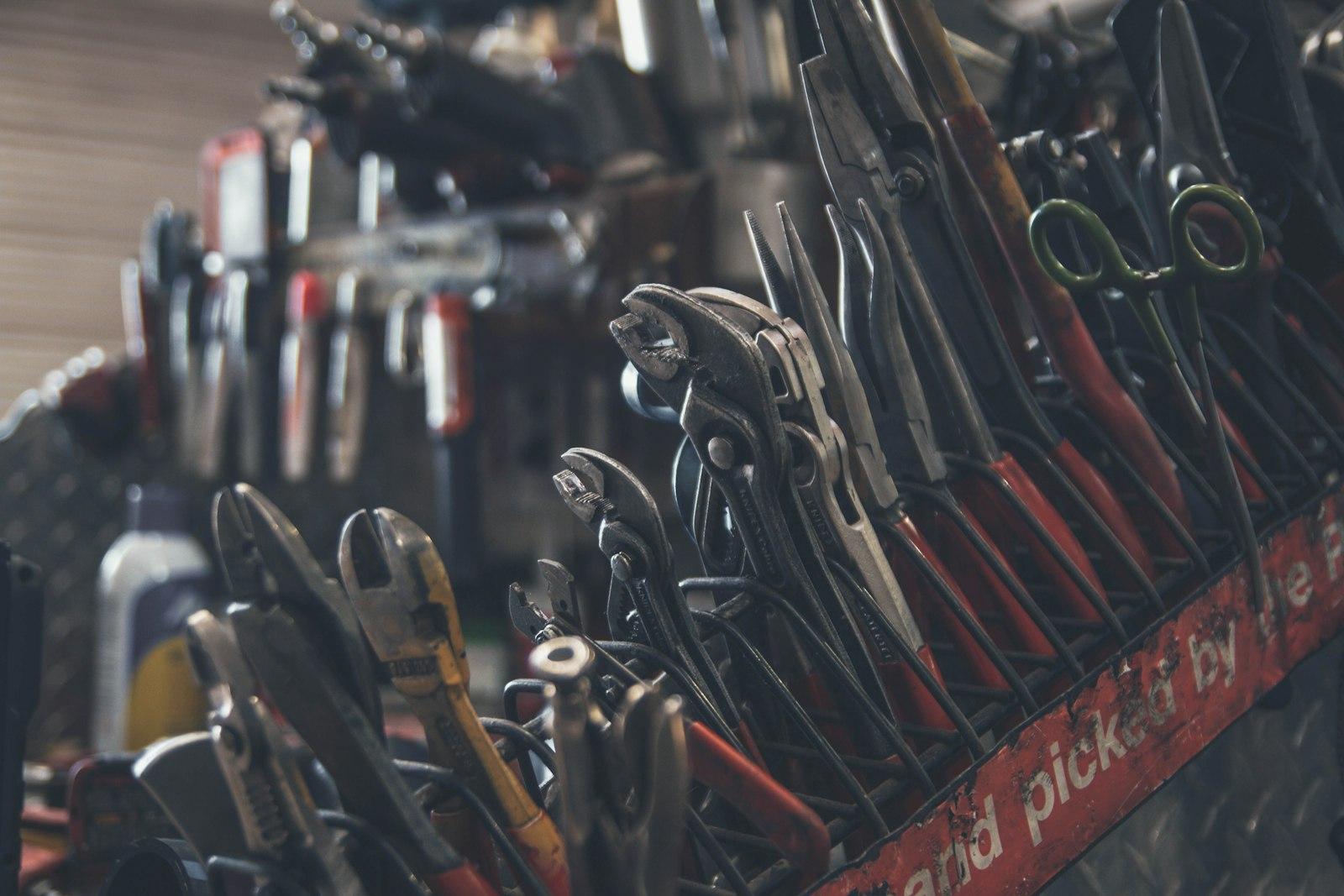
Retail stock is full of lines that are easy to miscount. In clothing and footwear, every size and colour is usually a separate product, so a rail has to be counted item by item rather than by style. Hardware shops carry loose fixings, cut-to-length goods and items sold both singly and in packs. Garden centres have plants of varying sizes and seasonal stock spread across indoor and outdoor areas.
We agree in advance how each of these will be recorded, whether by unit, pack, length, weight or an agreed estimate for very small loose items, so the method is consistent and documented.
Shops generally know their selling prices better than their cost prices, so many counts are recorded at retail value first. For the accounts, stock is normally valued at cost, or at a lower figure where goods can no longer be sold for more than they cost. Common ways to get from one to the other are:
Selling prices in most shops include VAT, while cost figures for the accounts are usually stated without it. Many retailers stock a mix of standard-rated, reduced-rated and zero-rated goods, and margins can vary widely between departments. Where we convert retail values to cost, we apply the VAT treatment and margins you instruct and show them clearly in the report.
We do not give tax or accounting advice. We recommend agreeing the valuation basis, VAT treatment and department margins with your accountant before the count, so the figures arrive in the form they need.
Most retail counts take place before opening, after closing or on a day the shop is shut. Where that is not possible, we can count section by section while you trade, provided sales and stock movements in each section are controlled while it is being counted. The cut-off is agreed in advance, and we ask you to note anything that moves after it.
Before the count we agree how to treat stock that is not simply ready for sale. Each category can be counted and listed separately, excluded, or valued on a basis you decide with your accountant.
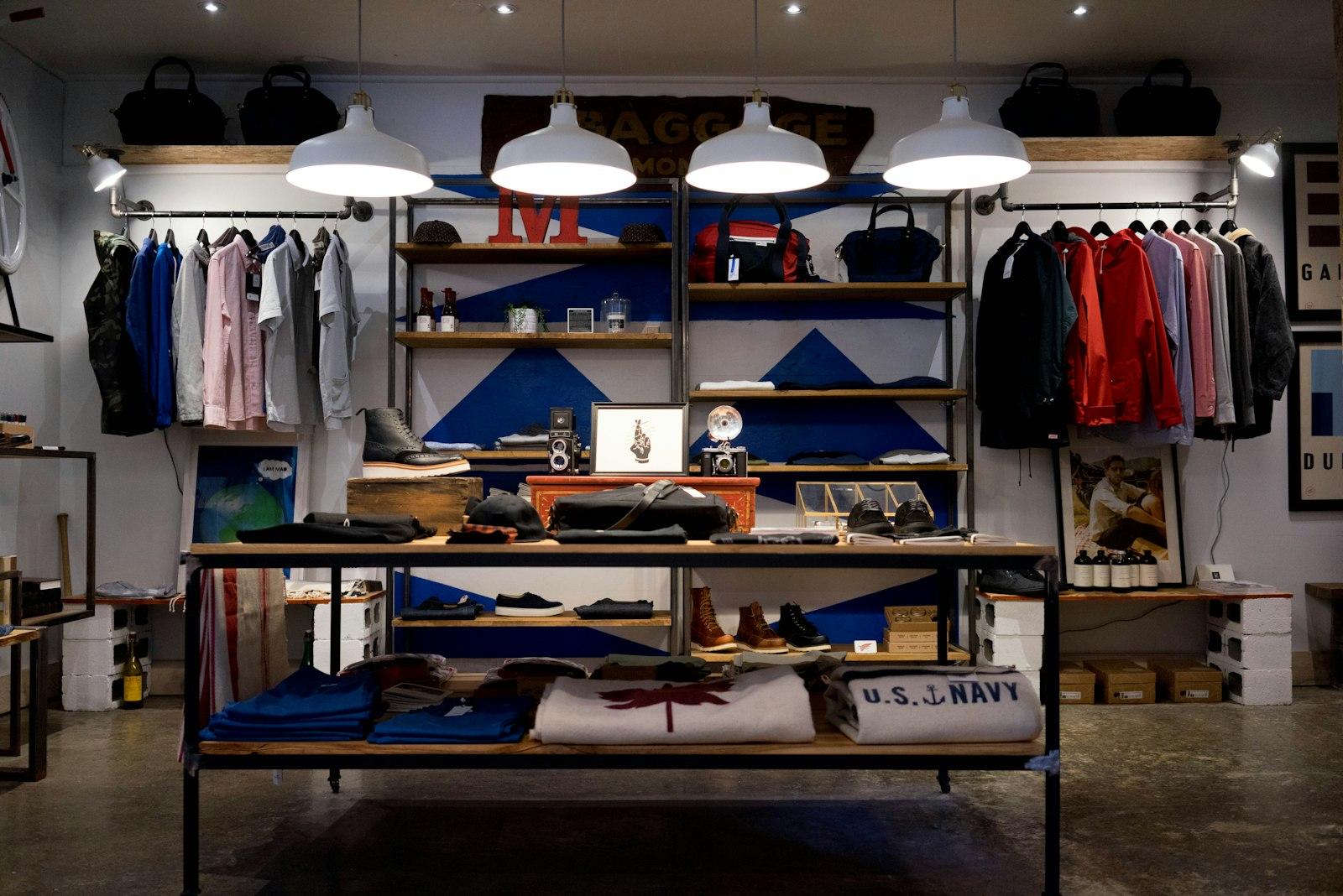
For retailers with several branches, consistency matters as much as accuracy. We use the same counting instructions, the same treatment of damaged and returned stock and, where possible, a common product file at every site, so the results can be compared branch by branch.
Branches can be counted on the same date or in an agreed sequence, subject to notice and team availability. Each shop receives its own report, and a combined summary can be provided where agreed.
A well-prepared shop is quicker, and usually cheaper, to count. We send a checklist once the date is booked; the main points are below.
You receive the results normally as a spreadsheet and a written summary. What is included depends on the counting method and is agreed when we quote; typically it covers:
We agree the areas to be counted, the counting method, the valuation basis and the cut-off. You receive a written quote, with timing and team size, before anything is booked.
Our team meets your contact, walks the shop and stockroom, and confirms how displays, damaged stock and awkward lines will be recorded.
The shop is divided into sections, and each is counted and marked complete before the team moves on, so progress is always clear.
Higher-value lines, unusual quantities and items that do not match your product file are rechecked or queried with you before the count is closed.
A final walk round with your contact confirms every agreed area has been covered, and the count is signed off.
The count, valuation and any variances are issued in the format and timescale agreed at the quote.
It depends mainly on the size of the shop, the number of product lines, the counting method and the time of day. Tell us about the shop and we will give you a written quote before anything is booked.
A small independent shop may be counted in a few hours; a large store with a busy stockroom can take considerably longer. We give you an estimated duration and team size when we quote.
Most independent retailers count at least once a year for their accounts. Shops tracking shrinkage or working on tight margins often count quarterly, and high-value or high-risk lines can be checked more frequently in between.
Usually not. Most counts take place before opening, after closing or on a day you are shut. If we need to count while you trade, we work section by section and agree how sales and movements are recorded.
For the accounts, stock is normally valued at cost, or lower if items can no longer be sold for more than they cost. We can count at retail and convert to cost using your cost prices or agreed department margins, and report both figures. Your accountant should confirm the basis to use.
Where retail values include VAT, it is usually removed before converting to cost, taking account of standard, reduced and zero-rated goods. We apply the treatment you instruct, but we do not give tax advice, so please confirm the approach with your accountant.
Yes. The count can include the shop floor, window displays, stockrooms, cellars and off-site storage. We agree every area in advance so nothing is left out.
For a barcode count, yes: it lets each scan match a known product and allows us to report against your codes. For a department-level count it is not needed. We will tell you which fields we need when we quote.
We agree this before the count. These items can be counted and listed separately, excluded, or valued on a basis you agree with your accountant.
Yes, subject to notice and availability. We use the same instructions at each branch so the results are comparable, and provide a report for each shop with a combined summary where agreed.
Impartial stock counts and valuations when a business changes hands, carried out fairly for both buyer and seller.
Discover more →

Independent year end stock counts and valuations, prepared for your accountant and annual accounts.
Discover more →
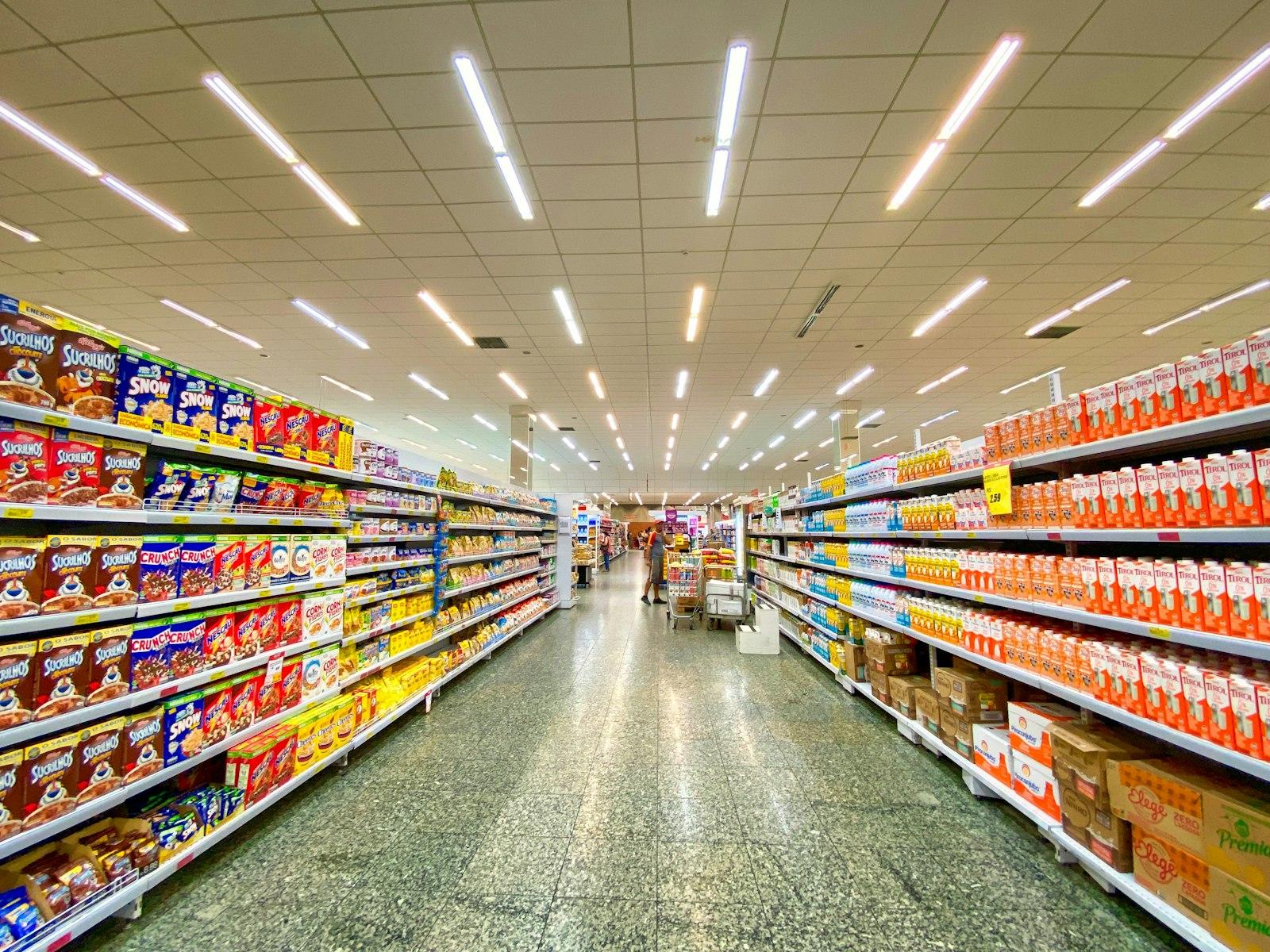
Independent counts for convenience stores, newsagents and forecourt shops, with high-value lines reported separately.
Discover more →
Call us for a no obligation quote, or send through the details of your premises and we will come back to you the same working day.