

Business Transfer Stocktakers
Impartial stock counts and valuations when a business changes hands, carried out fairly for both buyer and seller.
Discover more →
Nationwide stocktaking — no obligation quotes
Our Services
Independent counts of wines, spirits, beers, ciders and tobacco, reported by category for owners, buyers and accountants.
Drinks stock is valuable, easy to lose track of and quick to walk out of the door. Margins on many lines are thin, so a few missing bottles of spirits can undo the profit on a lot of other sales. An off licence needs a stock figure it can trust. We provide independent stocktakers who count what is physically on your shelves, in your chillers and in your stockroom, and report it in a form you and your accountant can use.
We work with independent off licences, wine merchants, specialist beer and spirits shops, and convenience stores with a significant alcohol range. We also count stock when licensed premises change hands, producing a single independent figure for the buyer and seller to agree.
Most off licences keep some form of running stock record, and many do their own checks. An independent count is carried out by people with no stake in the result, which is why it carries more weight with accountants, lenders, buyers and business partners.
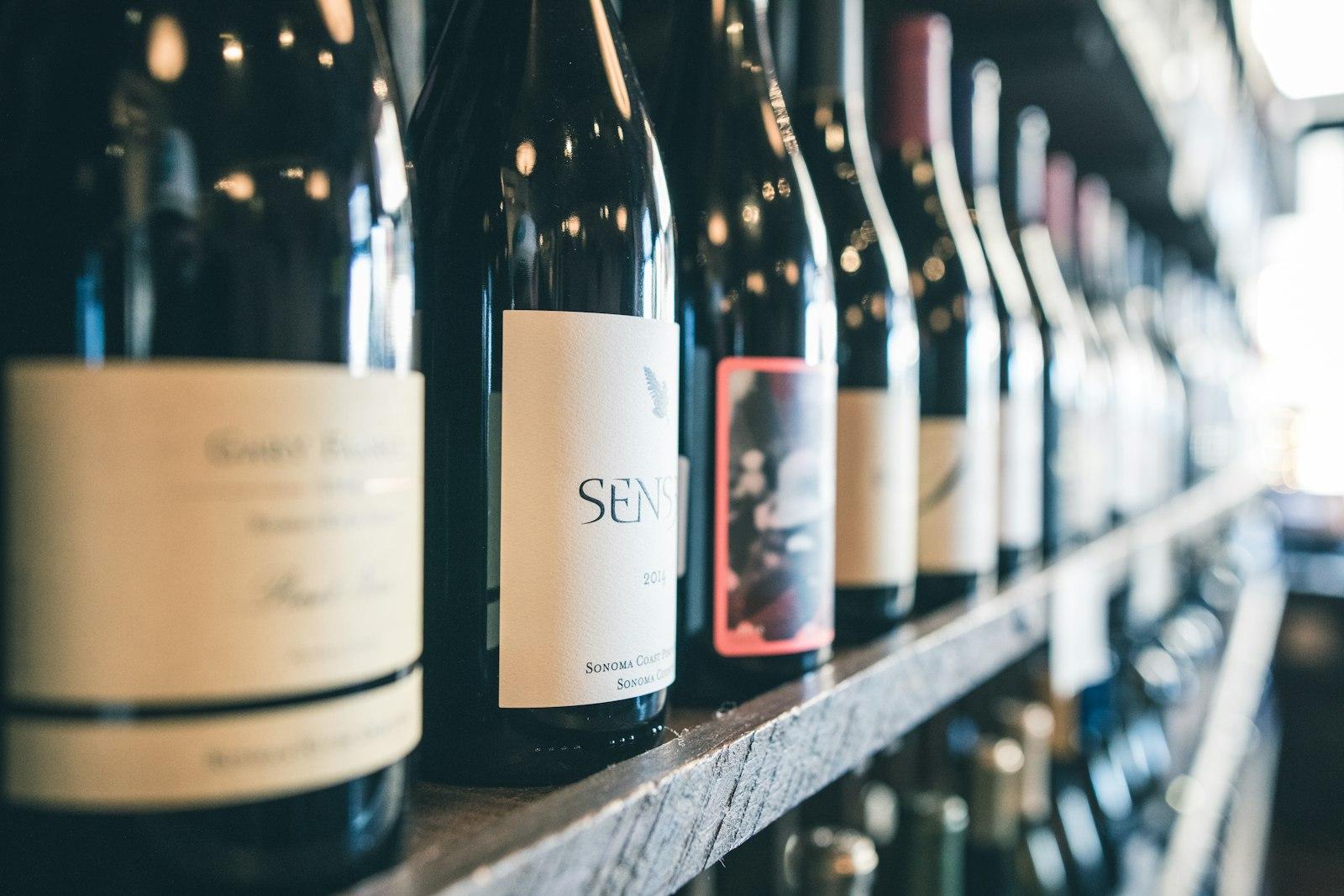
The scope is agreed before the count, so everyone knows which areas and which products are included. A typical off licence count covers:
Drinks are bought by the case and sold in every format from a single can to a mixed case of wine. If a case of 24 is recorded as one unit, or a four-pack as four singles when your system expects one, the variance that follows is not real. Before counting we confirm how each type of product is held in your records.
Sealed cases are counted as cases and opened cases are counted to the unit. Multipacks are recorded as packs unless you sell them split, in which case loose cans and bottles are counted separately. Where a product is held in more than one place, such as the shelf, a chiller and the stockroom, each location is counted and the totals are combined, so nothing is counted twice or missed.
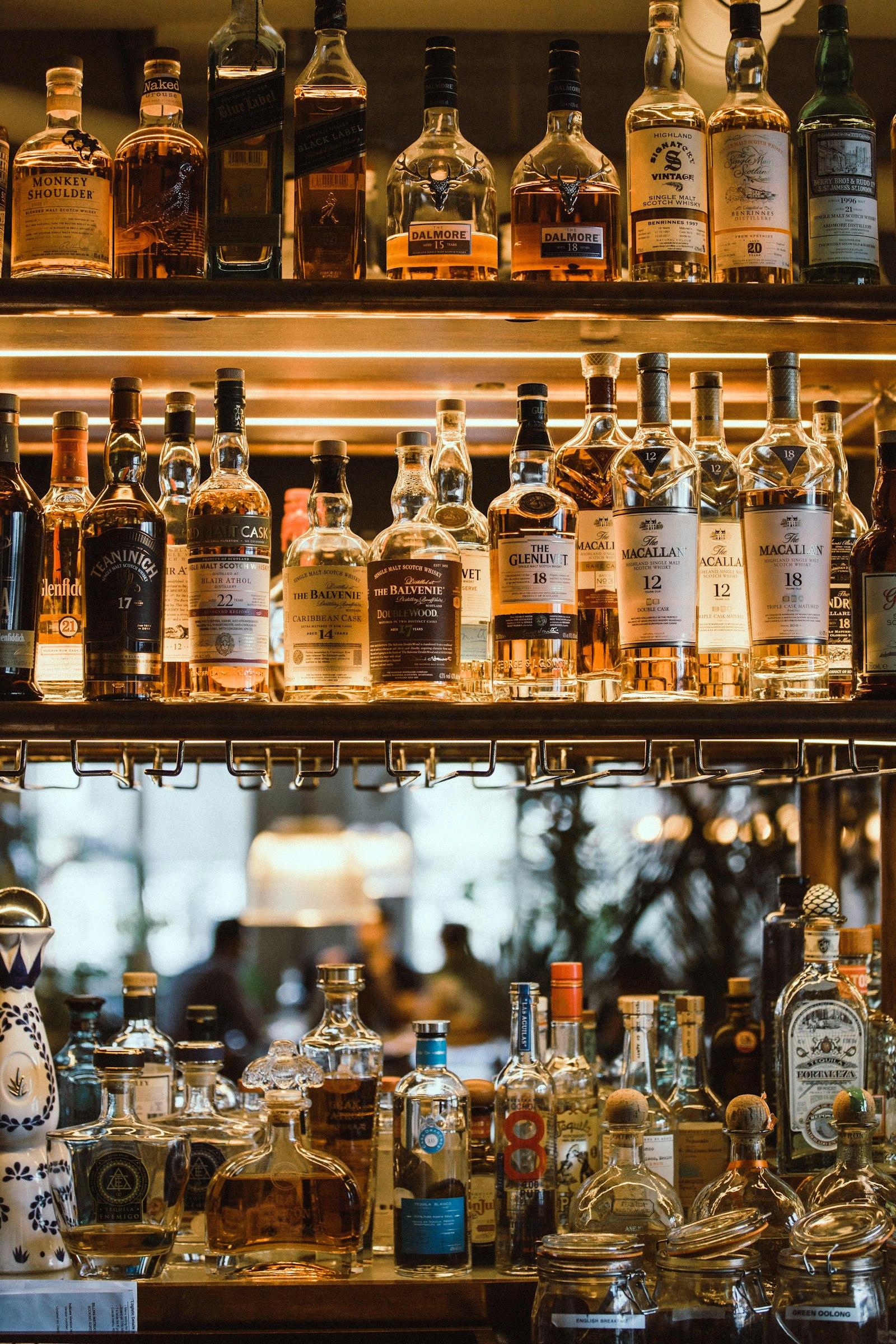
A small number of lines often account for a large share of the stock value. Premium spirits, aged whiskies, Champagne and fine wines are counted individually and rechecked by a second counter before the count is closed. Items kept in locked cabinets, behind the counter or in a back office are counted with a member of your team present to provide access.
For fine wine, vintages of the same wine are recorded as separate lines where your records distinguish them, because their value can differ considerably. Bottles that are damaged, have lost labels or are held for customer orders can be listed separately so they can be treated as you and your accountant decide.
Tobacco is usually held behind closed gantry doors and is a common target for theft, so it is often counted first, or last, while the till is closed. We count packs and outers separately and record any loose or damaged stock.
Some owners prefer to count tobacco themselves, or to have it reported apart from alcohol. We will agree this with you in advance, along with any other categories you want included, excluded or reported separately.
Chillers and walk-in coolers are counted as their own areas. Where stock in a chiller is replenished from the stockroom during the count, we agree how that movement will be handled so the same product is not counted in both places. Stockroom pallets and stacked cases are counted to the case, and opened cases to the unit.
Stock held elsewhere, such as at a second shop, in a garage or with a supplier, is only included if you tell us about it and arrange access. Anything we are told about but cannot see is listed separately in the report rather than mixed in with the counted figures.
A stock figure on its own tells you what you hold. Compared with your purchases and sales over the same period, it shows whether your margin is where it should be. Reporting results by category, such as wines, spirits, beers, ciders and tobacco, helps narrow down where a shortfall is coming from.
Where you supply purchase and sales figures, we can set the count alongside them so you or your accountant can see the gap in each category. We do not draw conclusions about the cause, but a regular count often makes it much clearer whether the problem lies in theft, wastage, pricing errors or record-keeping.
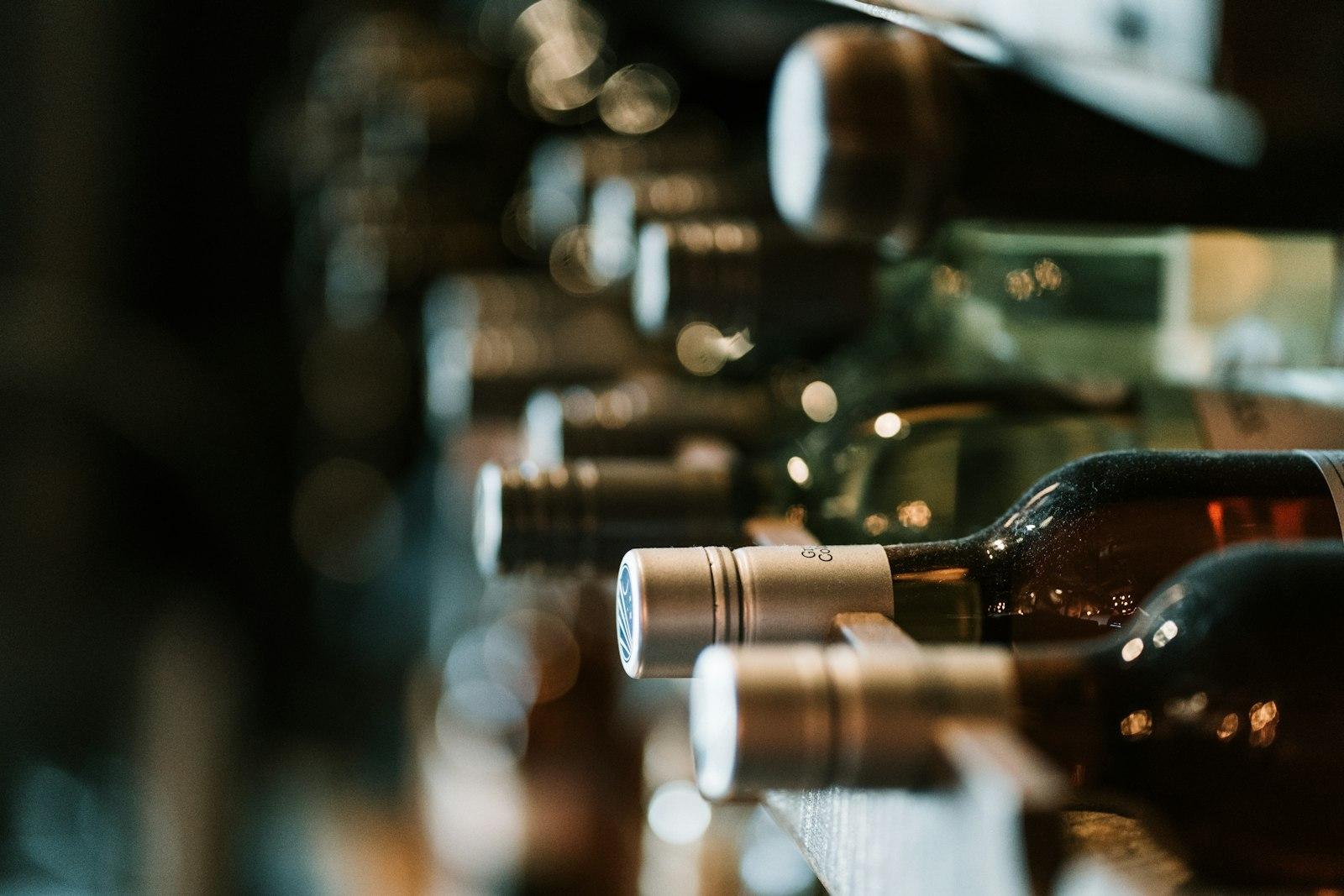
Stock on an off licence shelf is normally duty-paid. Some specialist wine and spirits merchants also hold stock in a bonded warehouse or under another duty-suspended arrangement, or keep customer-owned wine in storage. These are treated quite differently in the accounts and in a sale.
We can count such stock where access is arranged, and we report it separately from the shop stock. How it should be valued, and whether duty or VAT should be added or removed, is a matter for your accountant to confirm; we apply the treatment you agree with them.
When an off licence or licensed convenience store is sold, the stock is usually counted on the day of completion and paid for separately from the business. We can be instructed by the buyer, the seller or both jointly, and we produce one count that both sides can work from.
Before the count, both parties should agree which stock is included, how cost values will be arrived at, how VAT will be treated and what happens to damaged, out-of-date or slow-moving items. Disputed lines are recounted and listed in the report for the parties and their advisers to settle. The stocktake covers the stock only: transferring the premises licence or appointing a designated premises supervisor is handled separately, usually by your solicitor or licensing adviser.
Off licences often trade late and seven days a week, so finding a quiet window matters. Many owners choose to count before opening or after closing. Where the shop must stay open, we count section by section and agree how sales and deliveries during the count will be recorded, so they can be adjusted for in the final figures.
For a year-end figure or a sale, a short closure usually gives the most reliable result. We will talk through the options with you when we quote.
You receive the results in a format you can work with, normally a spreadsheet and a written summary. The contents are agreed when we quote; typically they include:
We agree the scope, the categories to be reported, the counting method and the timing. You receive a written quote before anything is booked.
We walk the shop, chillers and stockroom with you, confirm how cases and multipacks are recorded, and agree how any sales or deliveries during the count will be handled.
Each area is counted and marked complete before the team moves on, from the shelves and chillers to the stockroom and secure storage.
Premium spirits, fine wine, tobacco and any significant variances are rechecked by a second counter before the count is closed.
A final walkthrough with you, or with both parties on a sale, confirms every area has been covered before the count is signed off.
The count, category totals and any agreed valuation are issued in the format and timescale agreed when we quote.
We carry out off licence stocktakers nationwide. It is among the most requested services in these areas:
It depends mainly on the number of product lines, how much stock is held, the categories in scope and the reporting you need. Tell us about the shop and we will give you a written quote before anything is booked.
A small off licence may be counted in a few hours; a large wine merchant with extensive stockroom or cellar stock will take longer. We give you an estimated duration and team size when we quote.
Sealed cases are counted as cases and opened cases are counted to the single unit. We confirm how each product is recorded in your system before we start, so case and unit quantities are not confused.
Whichever matches how you buy and sell them. Unbroken multipacks are normally counted as packs, and any loose cans or bottles from split packs are counted separately.
Yes, where it is included in the agreed scope. Tobacco is usually counted while the gantry is not in use, with packs and outers recorded separately, and it can be reported apart from alcohol if you prefer.
Where access is arranged, yes. Duty-suspended stock is reported separately from duty-paid shop stock. How it should be valued is for your accountant to confirm, and we apply the treatment you agree.
Often, yes. We count section by section and agree how sales and deliveries will be recorded during the count. For a year-end figure or a sale, counting before opening or after closing usually gives the most reliable result.
Yes. We count packaged stock for off licences and licensed retailers, and can also cover cellar and bar stock where a venue sells on and off the premises.
Yes. We can be instructed jointly and produce one independent count for both parties. The valuation basis and any exclusions should be agreed by both sides before the count. We count the stock only and do not deal with the premises licence transfer.
Reporting by category shows which areas hold the value. If you supply purchase and sales figures for the period, the count can be set alongside them so you or your accountant can see where the shortfall lies.
Fill shelves and chillers from the stockroom beforehand, put away recent deliveries, separate damaged and returned stock, and arrange access to locked cabinets and storage. We send a short checklist when the date is booked.
Impartial stock counts and valuations when a business changes hands, carried out fairly for both buyer and seller.
Discover more →
Independent shop floor and stockroom counts for independent and multi-site retailers, valued at retail or cost.
Discover more →

Independent year end stock counts and valuations, prepared for your accountant and annual accounts.
Discover more →
Call us for a no obligation quote, or send through the details of your premises and we will come back to you the same working day.