

Business Transfer Stocktakers
Impartial stock counts and valuations when a business changes hands, carried out fairly for both buyer and seller.
Discover more →
Nationwide stocktaking — no obligation quotes

Our Services
Independent counts for convenience stores, newsagents and forecourt shops, with high-value lines reported separately.
A convenience store holds a lot of value in a small space. Thousands of lines sit across the shop floor, the back room, the chillers and the tobacco unit, and much of it sells quickly. That makes it hard to count your own stock reliably, especially when the figure will be used in your accounts or to settle the price of a business changing hands. We provide independent stocktakers who count what is physically on site and report it in a form you, your accountant or the other party can work with.
We work with independent stores, symbol-group retailers, newsagents, mini-markets, off-licence and grocery combinations, and forecourt shops. Counts are planned around your trading pattern, so the shop can often stay open, or we can count before opening or after closing.
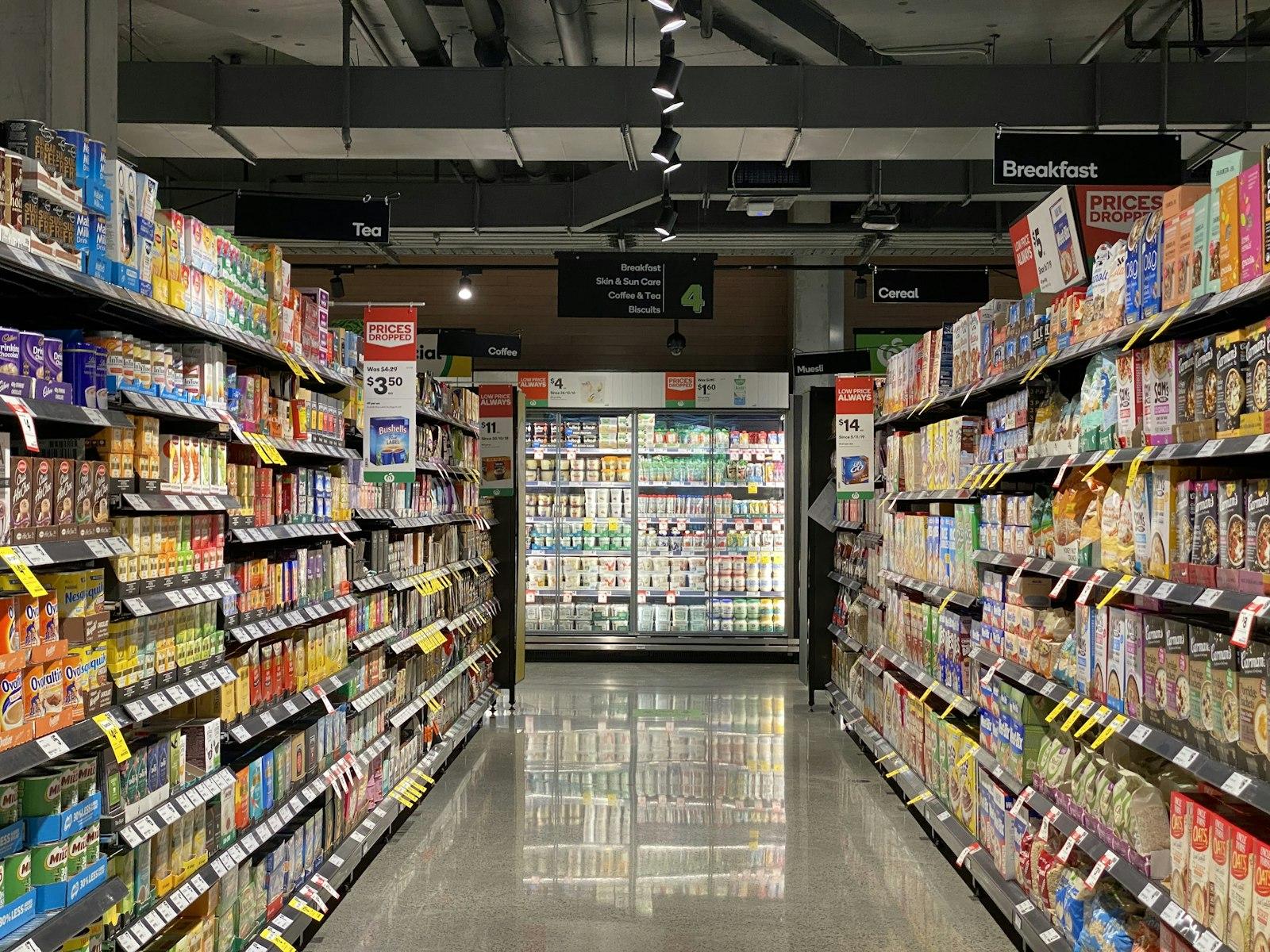
Most store owners keep an eye on stock through their EPOS system and supplier invoices. An independent count adds something those cannot: a figure produced by someone with no interest in the result, which matters when money or trust depends on it.

Convenience stock is spread across more places than people expect. Before the count we walk through the site with you and agree which areas are included, so overflow stock in an office or a delivery left in a corridor is not missed.
Tobacco and vapes usually account for a large share of a convenience store’s stock value in a small physical area, and they are the lines most often involved in a disputed figure. We count them as a separate exercise, ideally with a member of your team present to open the unit and witness the count.
Cigarettes and tobacco are counted to the individual pack, with sealed outers and cases confirmed as unopened or broken down. Vapes, pods and e-liquids are counted by line, as similar-looking products often carry very different prices. Spirits, premium wines, phone top-up cards held as physical stock and other high-value lines can be treated the same way. Each of these is rechecked before we leave and shown on its own in the report.
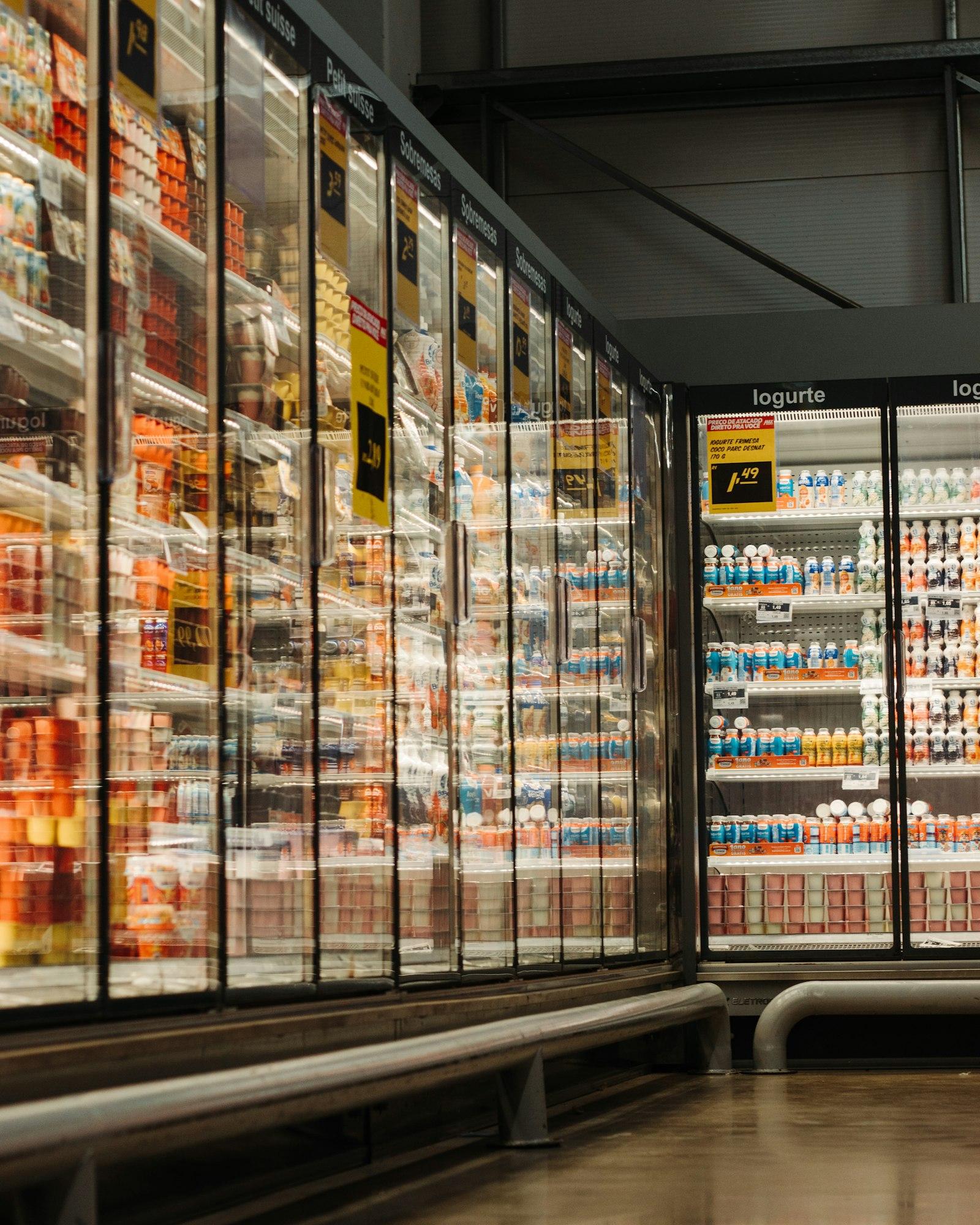
Chilled and frozen stock needs to be counted quickly, so cabinet doors are not left open and product does not sit out of temperature. We count each chiller and freezer in turn and keep any time out of the cabinet to a minimum.
Short-dated, out-of-date and damaged stock is a common point of disagreement, particularly in a sale. We agree with you, or with both parties, how it will be treated before counting starts: included at full value, reduced, excluded, or listed separately so the decision can be made later. Whatever the rule, it is applied consistently and recorded in the report.

Newspapers and many magazines are usually supplied on a sale-or-return basis, and the current day’s papers lose their value quickly. We agree in advance whether news and magazines are included, and if so whether unsold returns awaiting collection are counted or set aside. The same applies to any other stock held on consignment or owned by a supplier, such as some greetings cards or display units.
A stocktake values the goods you own and sell. Several things found behind a convenience store counter fall outside that, and we list them in our quote so there is no confusion on the day. Any of them can be discussed if your circumstances are different.
Both methods work well in a convenience store. The right choice depends on the quality of your product file and the level of detail you need, and we will recommend one when we quote.
Stock is counted and priced by department at its selling price, then converted to cost. It suits stores without a reliable product file, and transfers where a department-level valuation is all that is needed.
Each item is scanned against a product file exported from your EPOS system, giving a line-by-line report with quantities and values. Items that do not scan or are missing from the file are recorded and priced by hand rather than left out.
Convenience stock is normally counted at retail price, because that is what is printed on the shelf edge or held in the till. For the accounts or a transfer it usually needs converting to cost. Where your product file holds cost prices we can use them; otherwise we apply a margin to each department, taken from your recent margin reports or agreed between the parties.
VAT needs care, because a typical store mixes standard-rated lines such as alcohol, confectionery and soft drinks with zero-rated groceries. We can strip VAT out by department on the basis you give us. We do not give tax advice, so your accountant should confirm the valuation basis and VAT treatment before the count.
When a store is sold, or a forecourt shop passes from one operator to another, stock is often valued at the moment of handover and paid for separately from the business. We can be appointed by the buyer, the seller or both jointly, and we count at the agreed handover time.
Before the day we agree the rules with everyone involved: valuation basis, margins, treatment of short-dated and damaged stock, excluded items and how any disputed lines will be handled. Disputed items are recounted and listed separately. We record what is physically there; any commercial disagreement remains for the parties and their solicitors to resolve.
Many stores trade from early morning until late at night, every day. We can usually count while you stay open, working section by section and agreeing how sales and deliveries during the count will be recorded. Where an exact figure at a fixed moment matters, such as a transfer, counting before opening or after closing tends to give a cleaner result. Availability for out-of-hours counts is confirmed when we quote.
A tidy store is counted faster and more accurately. We send a short checklist once the date is booked; the main points are:
The report is designed to be read by you, your accountant and, in a transfer, the other party. What is included is agreed when we quote, and typically covers:
We agree the areas to count, the method, the valuation basis and the timing. You receive a written quote before anything is booked.
Our team walks the store with your contact to confirm what is in and out of scope, including stockrooms and any secure storage.
Tobacco, vapes and spirits are counted first and separately, with your representative present where possible.
The shop floor, chillers, freezers and stockroom are counted in turn, each marked complete before we move on.
High-value lines, unusual quantities and anything queried are rechecked, then the count is signed off with your contact.
The valuation and any agreed breakdowns are issued in the format and timescale confirmed when you booked.
We carry out convenience store stocktakers nationwide. It is among the most requested services in these areas:
Yes. They are usually the highest-value and highest-risk categories in a convenience store, so we count them as a separate exercise and show them on their own in the report, with their own values and, where data is supplied, variances.
Yes. Vapes, pods and e-liquids are counted line by line, because similar-looking products can differ considerably in price. They can be reported with tobacco or as their own department.
It depends on the size of the store, the number of lines, the counting method and how much stock is held in the back room. Many smaller shops can be counted within a single visit. We give you an estimated duration and team size when we quote.
Usually, yes. We count section by section and agree how sales and deliveries during the count will be recorded. For a transfer, counting before opening or after closing often gives the cleanest figure.
Not normally. Lottery tickets, scratchcards and bill payment or parcel services are generally reconciled through their own terminals and reports rather than counted as shop stock. We confirm what is excluded when we quote.
No. Our forecourt counts cover the shop stock only. Fuel in the tanks is measured separately, usually by a wet stock specialist or through the fuel supplier.
We agree the rule before the count: full value, reduced value, excluded, or listed separately for a later decision. In a transfer, both parties should agree it in advance.
Yes. A product file exported from your EPOS system lets us scan against your own codes and prices, and recent margin reports help us convert retail values to cost. We will tell you which fields we need when we quote.
Yes. Being appointed jointly is common in transfers. We agree the valuation rules with both parties before the day and count at the agreed handover time.
For accounts and most transfers, stock is usually valued at cost. We count at retail and convert using cost prices or agreed departmental margins, reporting both figures. Your accountant should confirm the basis to use.
Put deliveries away, separate damaged and out-of-date stock, identify sale-or-return items, have keys to secure areas available and send us your product file and margin report if you have them. We send a checklist once the date is booked.
Impartial stock counts and valuations when a business changes hands, carried out fairly for both buyer and seller.
Discover more →
Independent shop floor and stockroom counts for independent and multi-site retailers, valued at retail or cost.
Discover more →

Independent year end stock counts and valuations, prepared for your accountant and annual accounts.
Discover more →
Call us for a no obligation quote, or send through the details of your premises and we will come back to you the same working day.